

How does broccoli powder affect the gut microbiome?
Jun 06, 2025
The human gut microbiome is a complex ecosystem consisting of trillions of microorganisms, including bacteria, fungi, and viruses, which play a crucial role in maintaining our overall health. Diet is one of the most significant factors influencing the composition and function of the gut microbiome. Among various dietary components, broccoli powder has emerged as a potential modulator of the gut microbiome. As a supplier of high - quality broccoli powder, I am excited to explore how this nutritious product can impact the gut microbiome.
Composition of Broccoli Powder and Its Significance
Broccoli powder is derived from fresh broccoli through processes such as drying and grinding. It retains many of the beneficial compounds found in fresh broccoli, including fiber, vitamins (such as vitamin C, vitamin K, and folate), minerals (like potassium and calcium), and bioactive phytochemicals.
Fiber is a key component in broccoli powder. There are two main types of fiber: soluble and insoluble. Soluble fiber, such as pectin, can dissolve in water and forms a gel - like substance in the gut. This gel can slow down digestion and nutrient absorption, which helps to regulate blood sugar and cholesterol levels. Insoluble fiber, on the other hand, adds bulk to the stool and promotes regular bowel movements. Both types of fiber serve as prebiotics, which are substances that stimulate the growth and activity of beneficial bacteria in the gut.
In addition to fiber, broccoli is rich in sulforaphane, a powerful antioxidant and anti - inflammatory compound. Sulforaphane is formed when glucoraphanin, a glucosinolate present in broccoli, is hydrolyzed by the enzyme myrosinase. This compound has been shown to have numerous health benefits, including cancer prevention, antioxidant protection, and anti - inflammatory effects. The presence of these bioactive compounds in broccoli powder makes it a promising dietary supplement for gut health.
Effects of Broccoli Powder on Gut Microbiota Composition
The gut microbiota is highly diverse, and different species of bacteria play different roles in the body. Research has shown that consuming broccoli powder can lead to changes in the composition of the gut microbiota.
One of the most well - studied effects is the increase in the abundance of Bifidobacterium species. Bifidobacteria are beneficial bacteria that are known for their ability to ferment dietary fiber and produce short - chain fatty acids (SCFAs). SCFAs, such as acetate, propionate, and butyrate, are important energy sources for the cells lining the colon and have anti - inflammatory and immunomodulatory effects. By promoting the growth of Bifidobacterium, broccoli powder can enhance the production of SCFAs, which in turn support gut health.
Another study found that broccoli powder can also increase the abundance of Lactobacillus species. Lactobacilli are another group of beneficial bacteria that can produce lactic acid, which helps to maintain a low pH in the gut. A low - pH environment is unfavorable for the growth of pathogenic bacteria, thus protecting the gut from infections.
On the other hand, consuming broccoli powder may lead to a decrease in the abundance of some potentially harmful bacteria. For example, some studies have reported a reduction in the levels of Enterobacteriaceae, a family of bacteria that includes many pathogenic species. By altering the balance between beneficial and harmful bacteria, broccoli powder can contribute to a healthier gut microbiome.
Impact of Broccoli Powder on Gut Microbiome Function
The gut microbiome is not only involved in digestion but also plays a role in other physiological processes, such as metabolism, immune function, and even mental health. Broccoli powder can influence these functions through its effects on the gut microbiome.
In terms of metabolism, the SCFAs produced by the gut microbiota as a result of broccoli powder consumption can have a significant impact. Butyrate, in particular, is the preferred energy source for colonocytes and can enhance energy metabolism in the gut. Additionally, propionate has been shown to regulate liver cholesterol synthesis and reduce appetite. By modulating the production of these SCFAs, broccoli powder may help to improve metabolic health, including weight management and blood lipid profile.

The gut microbiome also plays a crucial role in immune function. A healthy gut microbiome can train the immune system to recognize and respond appropriately to pathogens. The bioactive compounds in broccoli powder, such as sulforaphane, can enhance the immune - modulating effects of the gut microbiota. Sulforaphane has been shown to regulate the production of cytokines, which are signaling molecules involved in the immune response. By promoting a healthy gut microbiome and enhancing immune function, broccoli powder may help to prevent infections and reduce the risk of chronic inflammatory diseases.
There is also emerging evidence suggesting a link between the gut microbiome and mental health, known as the gut - brain axis. The gut microbiota can produce neurotransmitters, such as serotonin, which is important for mood regulation. The changes in the gut microbiota composition and function induced by broccoli powder may have an impact on the gut - brain axis. Although more research is needed in this area, the potential for broccoli powder to improve mental health through its effects on the gut microbiome is an exciting prospect.
Comparison with Other Vegetable Powders
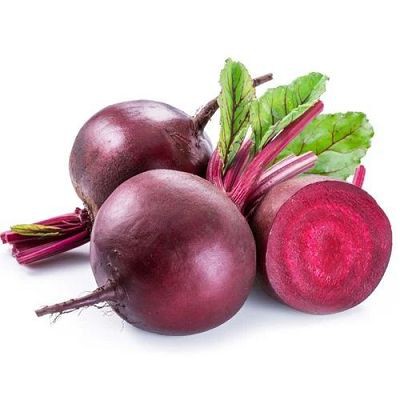
While broccoli powder has its unique benefits for the gut microbiome, it is also interesting to compare it with other vegetable powders. For example, Beetroot Powder is another popular vegetable powder. Beetroot is rich in nitrates, which can be converted to nitric oxide in the body. Nitric oxide has vasodilatory effects, which can improve blood flow and lower blood pressure. In terms of gut health, beetroot powder also contains fiber, which can act as a prebiotic. However, the specific effects on the gut microbiota may be different from those of broccoli powder.
Freeze Dried Broccoli retains more of the nutrients and bioactive compounds compared to some other drying methods. Freeze - drying preserves the structure and activity of enzymes and other heat - sensitive components, ensuring that the health - promoting properties of broccoli are maintained.
Apple Powder is another option. Apples are rich in pectin, a soluble fiber that can promote the growth of beneficial bacteria in the gut. However, the overall composition of bioactive compounds in apple powder is different from that of broccoli powder, and thus the effects on the gut microbiome may vary.
Incorporating Broccoli Powder into the Diet
There are several ways to incorporate broccoli powder into the diet. One of the simplest ways is to add it to smoothies. You can blend broccoli powder with fruits, yogurt, and milk to create a nutritious and delicious drink. Another option is to use it in baking. You can add broccoli powder to bread, muffins, or pancakes to increase their nutritional value.
For those who prefer savory dishes, broccoli powder can be used as a seasoning. It can be sprinkled on soups, salads, or roasted vegetables to add a subtle broccoli flavor and boost the nutritional content.
Conclusion and Call to Action
In conclusion, broccoli powder has significant potential to positively impact the gut microbiome. Its high fiber content serves as a prebiotic, promoting the growth of beneficial bacteria such as Bifidobacterium and Lactobacillus. The bioactive compounds in broccoli powder, such as sulforaphane, also contribute to gut health through their antioxidant, anti - inflammatory, and immunomodulatory effects. These effects on the gut microbiome can have far - reaching implications for overall health, including metabolism, immune function, and potentially mental health.
If you are interested in exploring the benefits of broccoli powder for gut health or are looking for a high - quality supplier of broccoli powder, we are here to help. We offer premium - grade broccoli powder that is carefully processed to retain its nutritional value. Contact us to learn more about our products and discuss potential purchasing opportunities.
References
- Davis, C., & Mirzaei, M. (2018). The role of dietary fiber and prebiotics in the modulation of the gut microbiota. Nutrients, 10(9), 1245.
- Fahey, J. W., Zhang, Y., & Talalay, P. (1997). Broccoli sprouts: An exceptionally rich source of inducers of enzymes that protect against chemical carcinogens. Proceedings of the National Academy of Sciences, 94(19), 10367 - 10372.
- Round, J. L., & Mazmanian, S. K. (2009). The gut microbiota shapes intestinal immune responses during health and disease. Nature Reviews Immunology, 9(5), 313 - 323.
- Sonnenburg, E. D., & Sonnenburg, J. L. (2019). Diet - microbiome interactions as moderators of human metabolism. Science, 365(6456), eaaw5225.