

How does the nutritional value of Dried Vegetables Powder compare to fresh vegetables?
Jun 27, 2025
As a supplier of Dried Vegetables Powder, I often get asked about how the nutritional value of our products stacks up against fresh vegetables. It's a valid question, considering that fresh vegetables have long been hailed as the gold standard for nutrition. In this blog post, I'll delve into the comparison, exploring the pros and cons of both dried vegetable powder and fresh vegetables.
Nutritional Content: A Side-by-Side Look
Let's start by examining the nutritional content of dried vegetable powder and fresh vegetables. Fresh vegetables are typically rich in vitamins, minerals, fiber, and antioxidants. They are also a good source of water, which is essential for hydration. For example, a single cup of fresh spinach contains about 28% of the recommended daily intake of vitamin A, 180% of vitamin K, and 19% of folate.
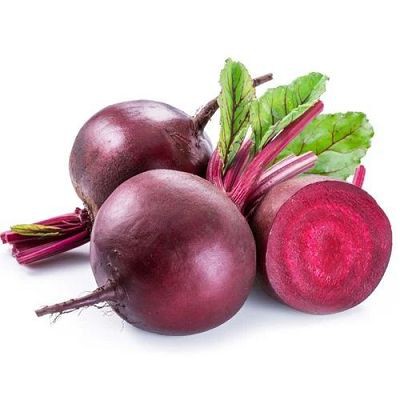
On the other hand, dried vegetable powder is made by dehydrating fresh vegetables and then grinding them into a fine powder. This process removes most of the water content, which means that the powder is more concentrated in nutrients. For instance, a single tablespoon of Beetroot Powder contains about 13% of the recommended daily intake of folate, 11% of iron, and 7% of potassium.
One of the main advantages of dried vegetable powder is its long shelf life. Unlike fresh vegetables, which can spoil quickly, dried vegetable powder can be stored for months or even years without losing its nutritional value. This makes it a convenient option for people who want to have access to vegetables all year round, especially in areas where fresh produce is not readily available.
Another benefit of dried vegetable powder is its versatility. It can be easily added to a variety of dishes, such as smoothies, soups, sauces, and baked goods. This makes it a great way to boost the nutritional content of your meals without having to cook a large amount of fresh vegetables. For example, you can add a tablespoon of Sweet Potato Powder to your morning smoothie for a dose of vitamins A and C, as well as fiber.
Nutrient Retention in the Drying Process
However, it's important to note that the drying process can also have an impact on the nutritional value of vegetables. Some vitamins and antioxidants are sensitive to heat and light, and they can be lost during the dehydration process. For example, vitamin C is a water-soluble vitamin that can be easily destroyed by heat. Therefore, the amount of vitamin C in dried vegetable powder may be lower than in fresh vegetables.
To minimize nutrient loss during the drying process, it's important to use a gentle drying method. At our company, we use a low-temperature drying process that helps to preserve the nutritional value of the vegetables. This ensures that our dried vegetable powder retains most of the vitamins, minerals, and antioxidants found in fresh vegetables.
In addition to the drying method, the quality of the raw materials also plays a crucial role in the nutritional value of dried vegetable powder. We source our vegetables from trusted farmers who use sustainable farming practices. This ensures that our vegetables are free from pesticides and other harmful chemicals, and they are grown in nutrient-rich soil.
Fiber Content: Fresh vs. Dried
Fiber is an important nutrient that plays a key role in digestive health. It helps to keep the digestive system running smoothly, prevents constipation, and reduces the risk of certain diseases, such as heart disease and diabetes. Fresh vegetables are a good source of both soluble and insoluble fiber. Soluble fiber dissolves in water and forms a gel-like substance in the digestive tract, which helps to slow down the absorption of nutrients and lower cholesterol levels. Insoluble fiber, on the other hand, adds bulk to the stool and helps to prevent constipation.
Dried vegetable powder also contains fiber, but the amount and type of fiber may vary depending on the vegetable and the drying process. In general, the fiber content of dried vegetable powder is similar to that of fresh vegetables. However, the fiber in dried vegetable powder may be more concentrated, as the water has been removed.
For example, a cup of fresh carrots contains about 4 grams of fiber, while a tablespoon of Carrot Powder contains about 1 gram of fiber. While the amount of fiber in the powder is lower than in the fresh carrots, it's important to remember that the powder is more concentrated. Therefore, you can still get a significant amount of fiber by adding a small amount of dried vegetable powder to your diet.
Convenience and Portability
One of the biggest advantages of dried vegetable powder is its convenience and portability. Fresh vegetables need to be refrigerated and consumed within a few days, which can be a challenge for people who are always on the go. Dried vegetable powder, on the other hand, can be stored at room temperature and taken with you wherever you go. This makes it a great option for people who want to eat healthy but don't have a lot of time to prepare meals.
For example, if you're traveling or going to the gym, you can easily pack a small container of dried vegetable powder and add it to a glass of water or a smoothie. This way, you can still get your daily dose of vegetables even when you're away from home.
Cost Comparison
Cost is another factor to consider when comparing dried vegetable powder and fresh vegetables. Fresh vegetables can be expensive, especially if they are out of season or imported from other countries. Dried vegetable powder, on the other hand, is often more affordable. This is because the drying process reduces the volume and weight of the vegetables, which makes them easier and cheaper to transport and store.
In addition, dried vegetable powder has a longer shelf life than fresh vegetables, which means that you can buy it in bulk and save money in the long run. For example, a pound of fresh spinach may cost around $3, while a pound of Spinach Powder may cost around $10. While the powder is more expensive per pound, it can make a larger quantity of food, as it is more concentrated.
Making the Right Choice for Your Diet
In conclusion, both dried vegetable powder and fresh vegetables have their own advantages and disadvantages when it comes to nutritional value. Fresh vegetables are a great source of vitamins, minerals, and antioxidants, and they are also a good source of water and fiber. However, they have a short shelf life and can be expensive.
Dried vegetable powder, on the other hand, is more concentrated in nutrients, has a longer shelf life, and is more convenient and affordable. It's a great option for people who want to have access to vegetables all year round, especially in areas where fresh produce is not readily available.
As a supplier of Dried Vegetables Powder, I believe that the best approach is to incorporate both fresh vegetables and dried vegetable powder into your diet. This way, you can enjoy the benefits of both and ensure that you're getting a wide variety of nutrients.
If you're interested in learning more about our dried vegetable powder products or if you have any questions about their nutritional value, please don't hesitate to contact us. We'd be happy to help you make the right choice for your diet.

References
- USDA National Nutrient Database for Standard Reference
- Journal of Food Science and Technology
- International Journal of Food Sciences and Nutrition